A poor power factor means higher demand charges and wasted capacity. Here is how APFC capacitor banks fix it — and what to specify.
Why power factor matters
Inductive loads such as motors and transformers draw reactive power that does no useful work but still loads your cables and pushes up demand charges. Power factor is the ratio of useful to total power.
What an APFC panel does
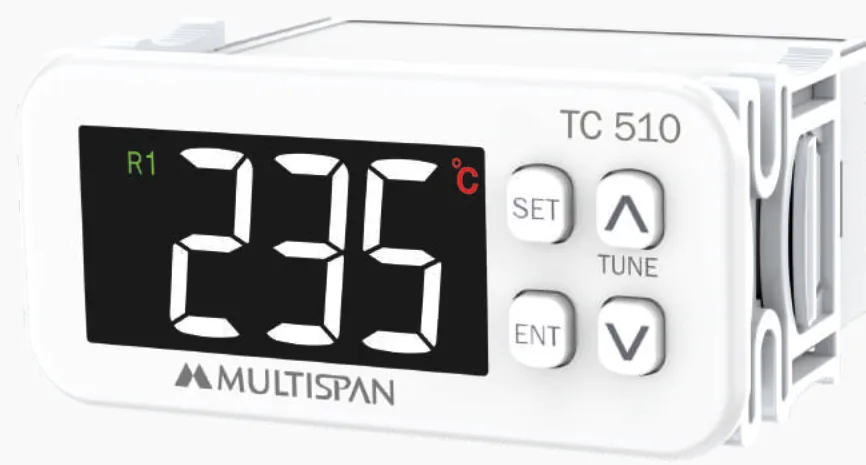
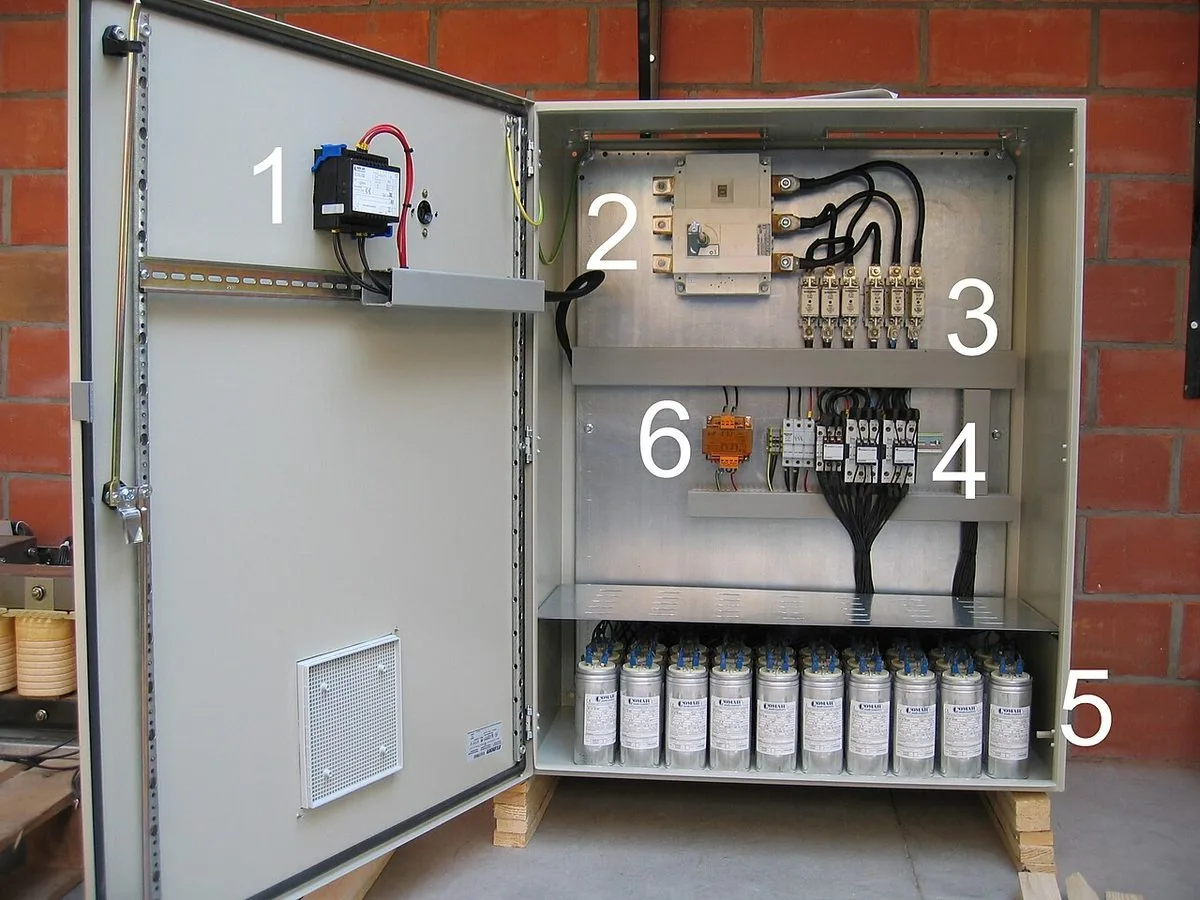
An Automatic Power Factor Correction (APFC) panel switches capacitor stages in and out to hold a target power factor, using a PF regulator, contactors and capacitors.
Specifying a capacitor bank
You will need the kVAr rating, number of steps (for example 6 or 12), and whether detuned reactors are required for harmonic-rich installations. We build banks with quality power-factor-correction capacitors and detuned reactors.
The payback
Correcting power factor reduces demand charges and frees up capacity — often paying back the panel within a year or two.