Main, sub-main and final distribution boards each play a distinct role in an electrical installation. Here is how they differ and how to specify each correctly.
What is a distribution board?
A distribution board (DB) takes an incoming supply and splits it into outgoing circuits, each protected by a breaker. Power flows from the Main Distribution Board (MDB) to Sub Main Distribution Boards (SMDBs) and then to Final Distribution Boards (FDBs).
Main Distribution Board (MDB)
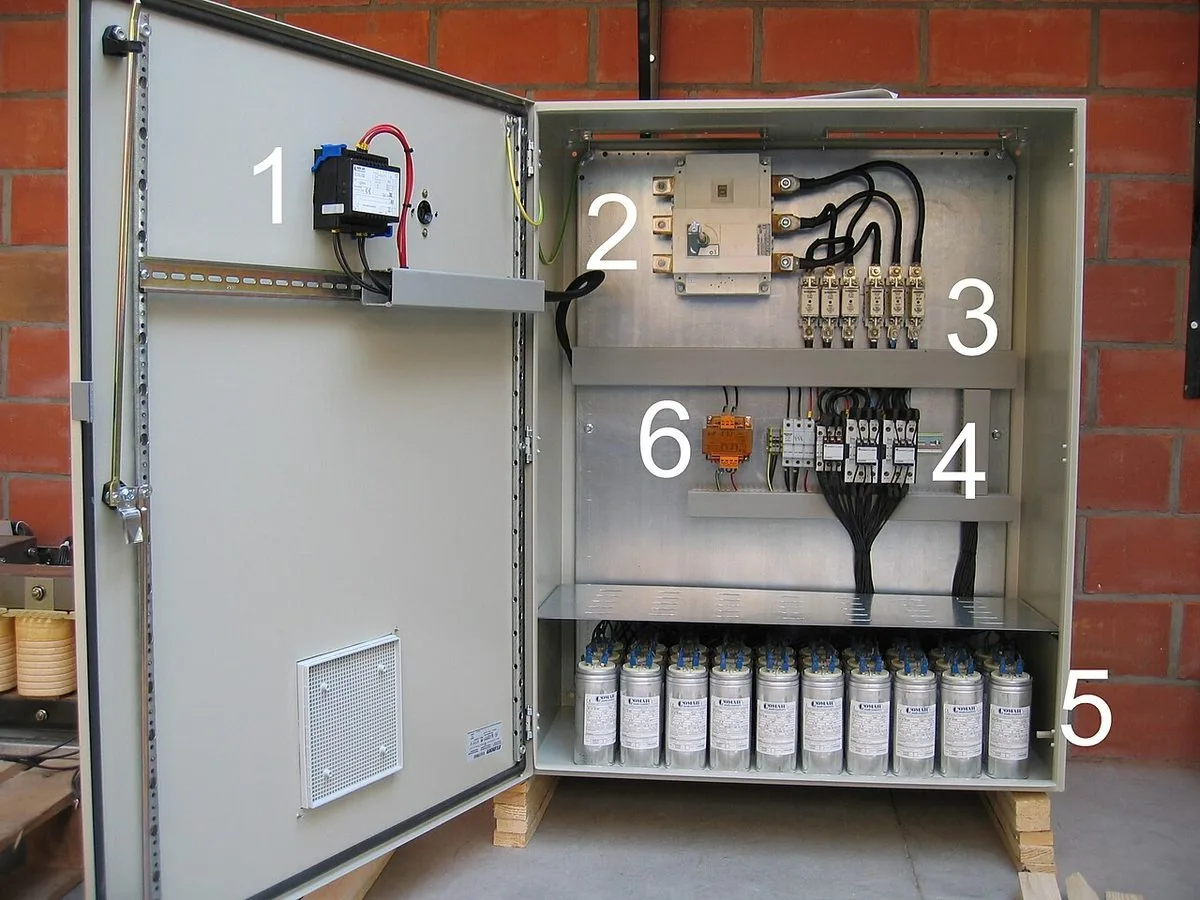
The MDB is the primary board that receives the incoming supply and distributes it to the major sections of a building. It carries the highest current, uses ACB or MCCB incomers, and often includes metering and power-factor correction.
Sub Main Distribution Board (SMDB)
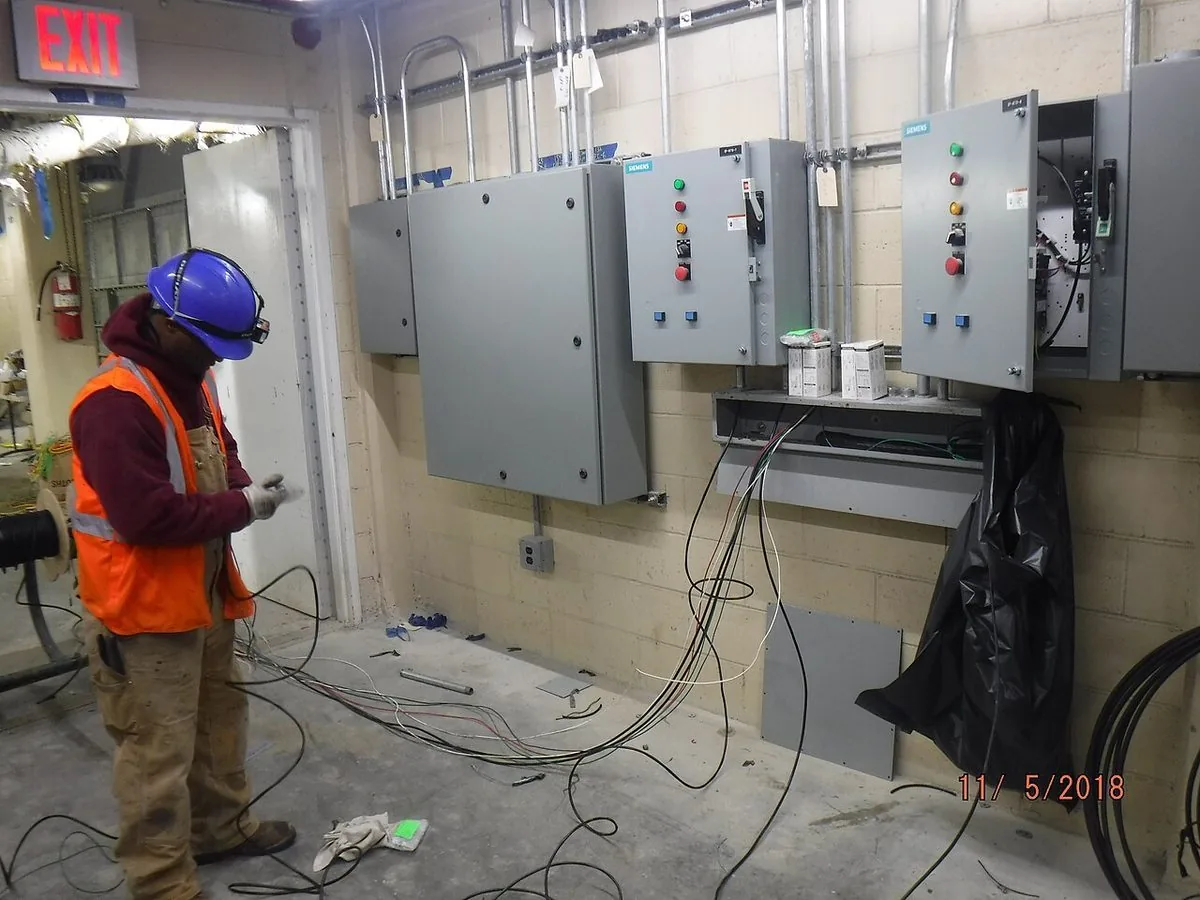
SMDBs sit between the MDB and the final boards, feeding a floor, zone or plant area. They reduce cable runs and give localised isolation and protection with MCCB and MCB outgoing ways.
Final Distribution Board (FDB)
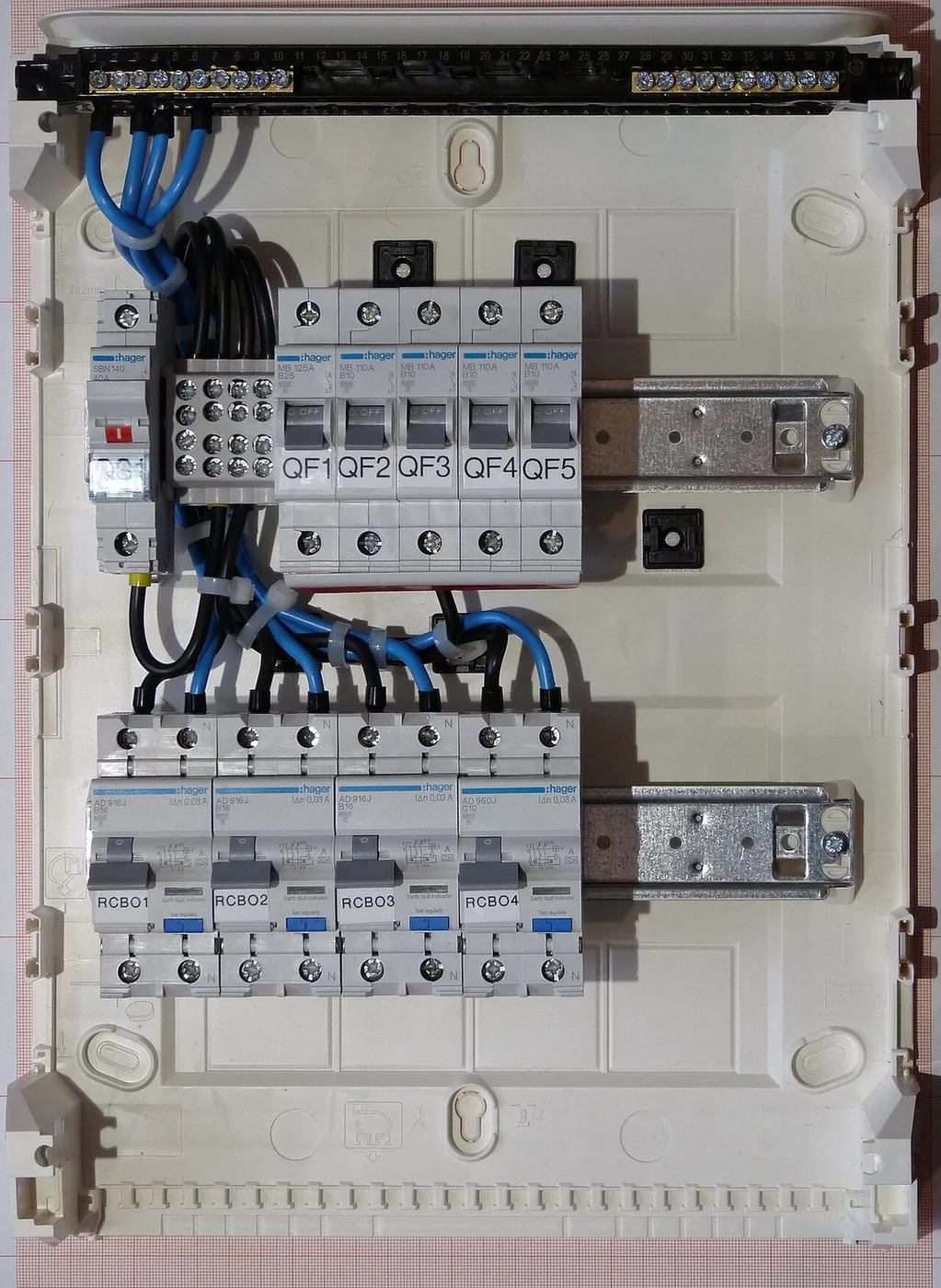
The FDB is the last stage, feeding lighting, small-power and machinery circuits directly via MCBs and RCBOs. It is what you typically see in a corridor or plant room.
How Al Misbah Al Sehri helps
We manufacture MDBs, SMDBs and FDBs to your load schedule and single-line diagram in Dubai — built to IEC and DEWA-standard practice, tested and documented. Send us your requirement for a quote.